2026/08/05Fifteen Minutes of Treatment, Thirteen Years of Commitment: CSMU School of Dentistry Marks 13 Years of Dental Outreach in Cambodia
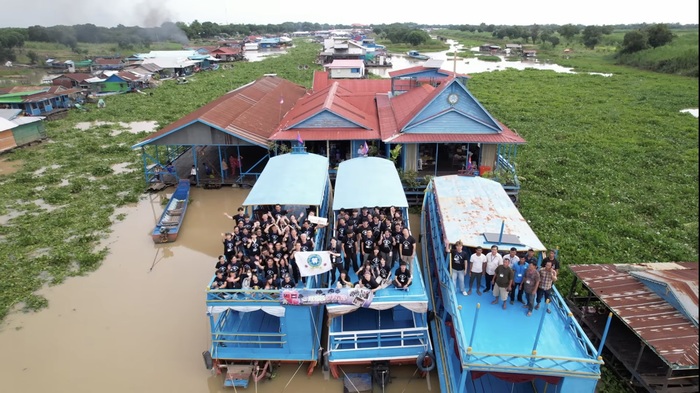
The Cambodia Dental Outreach Team from the School of Dentistry at Chung Shan Medical University (CSMU) has once again embarked on its annual service mission, led this year by Dean of the College of Oral Medicine, Professor Chuan-Hang Yu, together with 16 dental students. Now in its 13th consecutive year, the outreach program brings together volunteer dentists, Yunlin County Zhanghu Elementary School, the Penghu County Dental Association, and the Cambodia Health Smile Organization (CHSO) to provide free dental treatment, oral health education, and donated supplies to underserved communities in Siem Reap Province, Cambodia.
With limited access to dental care in rural Cambodia, many residents have only one opportunity each year to receive professional treatment. Over the past 13 years, these brief outreach visits have gradually created lasting improvements in community oral health.
Professor Yu noted that the Cambodia Dental Outreach Program was founded in 2013 by distinguished CSMU alumnus and Medical Dedication Award recipient Dr. Yi-Hsien Juan. What began with only seven students has grown into one of the School of Dentistry's signature international service-learning programs, involving more than one hundred faculty members and students over the years. Many graduates continue to return as volunteer dentists, passing on both their clinical experience and spirit of service—an embodiment of CSMU's educational philosophy: "Treat the person, treat the disease, and care for the heart."
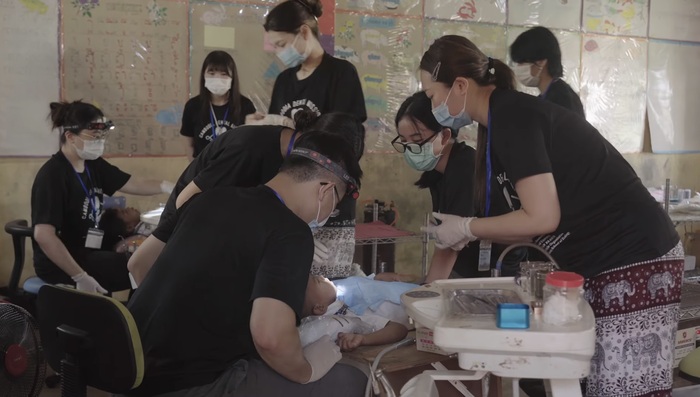
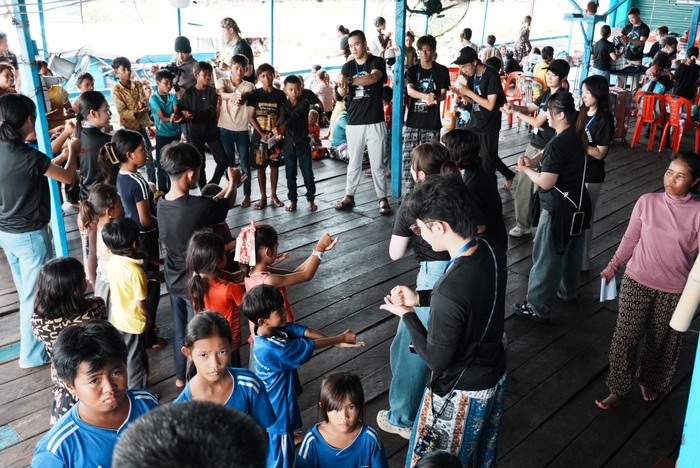
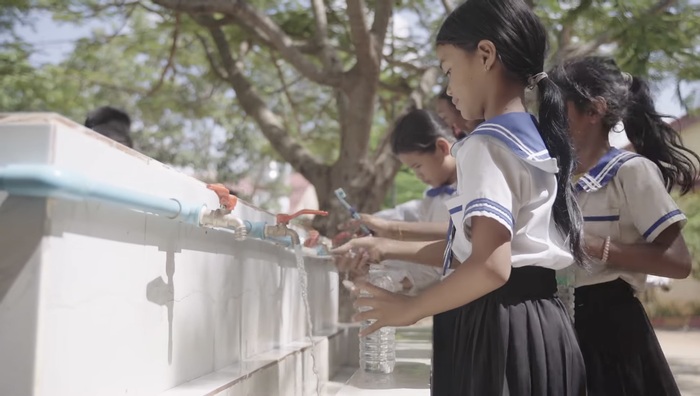
This year's team visited elementary schools in the Siem Reap area as well as a floating church on Tonlé Sap Lake, providing oral examinations, dental cleanings, fillings, and tooth extractions for local residents and children. In addition to treatment, the team conducted oral health education sessions to promote proper toothbrushing habits, emphasizing that prevention is just as important as treatment. Before departure, the team also organized a donation drive, collecting clothing, stationery, toys, and other daily necessities to bring additional care and support to local communities.
Tsai Hsin-Yun, a dental student serving as this year's student team leader, said that each patient receives only about 15 minutes of treatment, yet for many villagers, it is the only dental care they will receive all year. Although the outreach schedule is intensive, seeing relieved smiles after treatment and receiving warm hugs, waves, and treasured handmade gifts from local children reminded the team that healthcare is not only about treatment—it is also about building meaningful human connections that transcend language and culture.
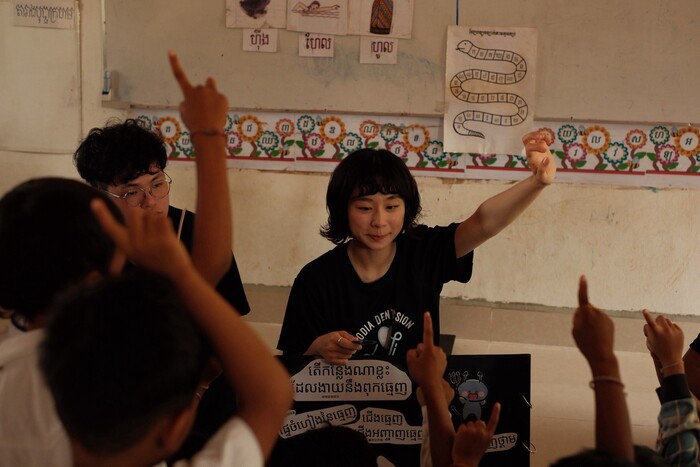
Teaching preventive oral care was one of the team's highest priorities. To improve the effectiveness of health education, students created large handmade oral health education books before departure and translated all materials into Khmer. Using illustrations and interactive activities, they ensured children of different ages could easily understand proper brushing techniques. The team also underwent intensive pre-departure training and repeatedly rehearsed with local interpreters to ensure every health message could be communicated accurately.
During the service trip, the team also organized an Oral Health Camp and a toothbrushing competition. Plaque-disclosing agents were used to evaluate children's brushing effectiveness. According to Tsai, schools that have partnered with the program for many years have consistently promoted daily toothbrushing, and many students now show almost no visible dental plaque. These encouraging results demonstrate that years of sustained oral health education are making a measurable difference.
Professor Yu emphasized that the true value of international medical service extends beyond providing one-time treatment. Through long-term commitment, health education, and collaboration with local communities, the program helps residents develop healthier lifestyles while allowing students to apply their professional knowledge in real-world settings. By responding to diverse healthcare needs across different cultural and social environments, students strengthen their global perspective and cross-cultural collaboration skills while transforming classroom learning into meaningful action.