2026/09/11CSMU Department of Applied Foreign Languages Deepens Cross-Cultural Learning Through Joint Exchange with Tokushima Bunri University
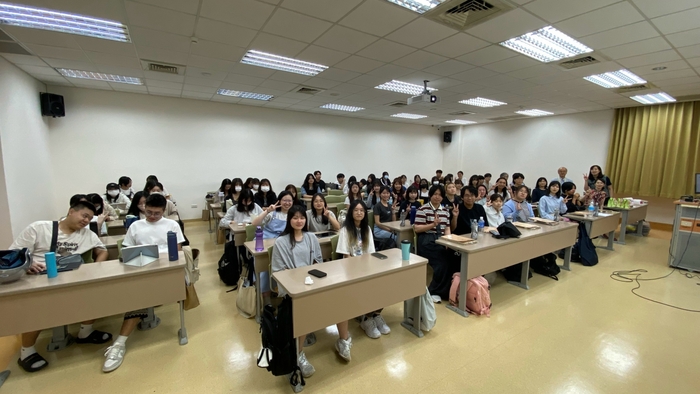
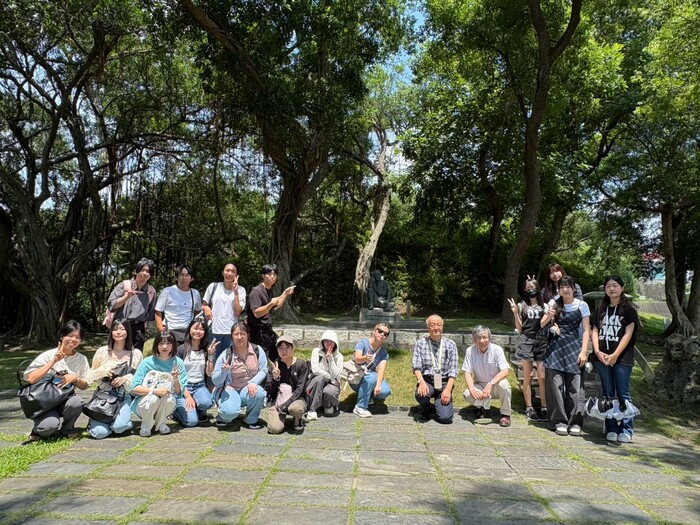
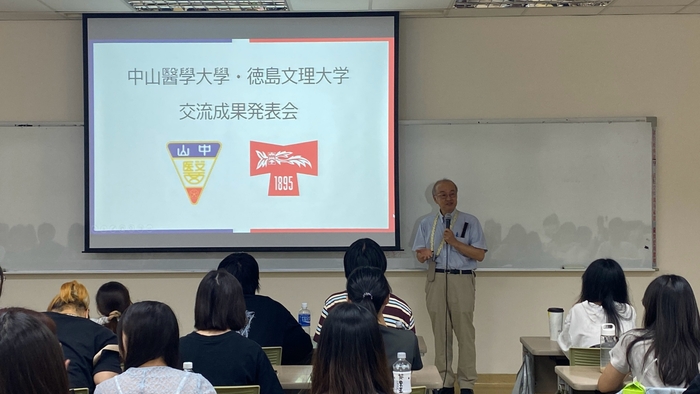
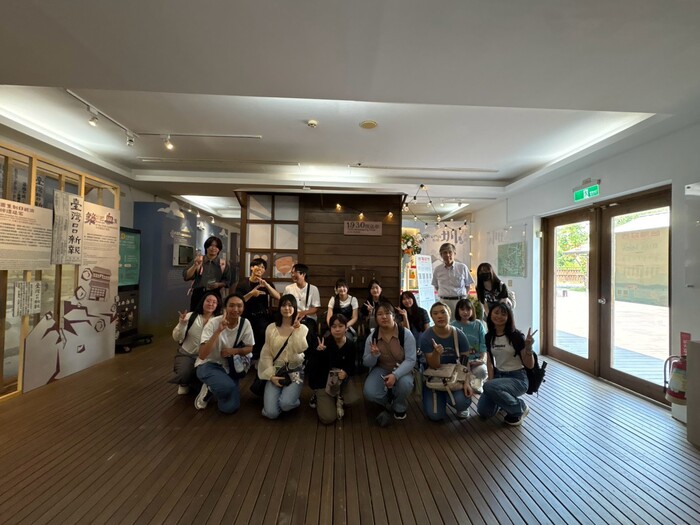
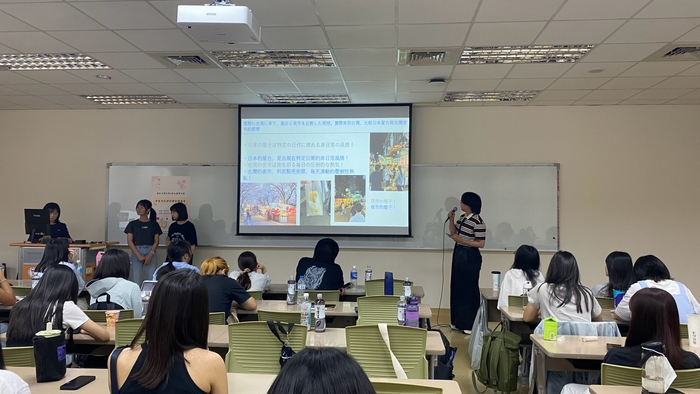
Moving from “traveling together” to “learning and creating together,” the Department of Applied Foreign Languages at Chung Shan Medical University (CSMU) held a three-day educational visit beginning September 7, bringing together faculty and students from both Taiwan and Japan, including Professor Noboru Furuta, Dean of the Faculty of Literature at Tokushima Bunri University, and Professor Tomotomi Nagamoto. Going beyond a conventional campus visit, the program combined cultural experiences, field visits, cross-cultural learning, and group presentations, allowing Taiwanese and Japanese students to explore each other’s cultures through firsthand observation and interaction.
The program included visits to Anping Old Fort in Tainan, Wushantou Reservoir, and various sites in Taichung. Exploring historical and cultural heritage, local development, urban landscapes, and everyday life, the students experienced these places firsthand rather than simply visiting tourist attractions. Through traveling, experiencing, and discussing together, the Japanese students were encouraged to observe everyday life in Taiwan from different perspectives and gain a deeper understanding of local culture and social contexts.
Daily life also served as the central theme of the cross-cultural learning activities. Focusing on topics such as breakfast, bookstores, traditional snacks, tourist attractions, and night markets, students compared differences between Taiwan and Japan in eating habits, reading culture, local characteristics, tourism practices, and everyday lifestyles through observation, shared experiences, and discussion.
Seemingly ordinary habits often reflect different cultural backgrounds and social development. By sharing their experiences and asking questions, students were able to reconsider aspects of their own everyday lives that they might normally take for granted, while gaining new perspectives on Taiwanese and Japanese cultures.
From field visits to the collaborative creation of final presentations, students transformed what they saw and experienced throughout the program into meaningful learning outcomes. The experience moved from “traveling together” to “learning together,” and ultimately to “creating together” through group discussions and presentations. CSMU hopes that diverse international exchange programs will provide students with opportunities to interact directly with international partners, helping them not only understand different cultures but also develop the ability to appreciate differences, communicate across cultures, and broaden their global perspectives.
Lai Ying-Chun, Chair of CSMU’s Department of Applied Foreign Languages, noted that international exchange does not take place only in classrooms or on campus; it can begin with something as simple as sharing breakfast, visiting a store, or exploring a night market. Through observing and engaging with everyday life, students can develop cross-cultural communication skills through authentic interaction while creating meaningful memories of learning and exchange together with their peers from Japan.