2026/07/03CSMU Hosts International Myopia Management Workshop with Australian Optometry Experts to Advance Clinical Practice
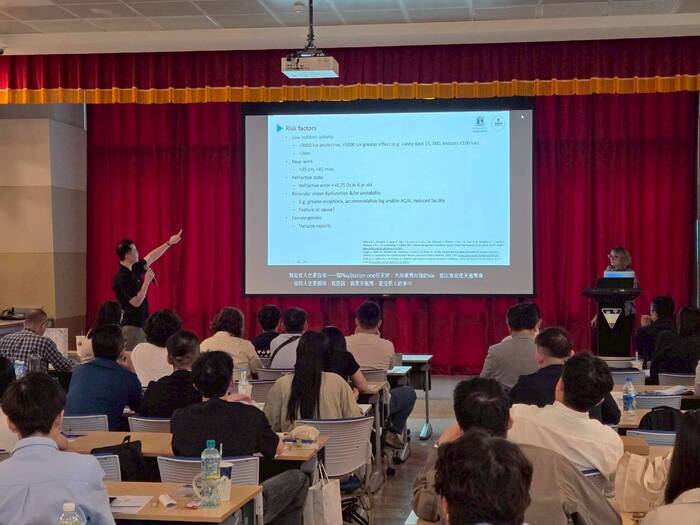
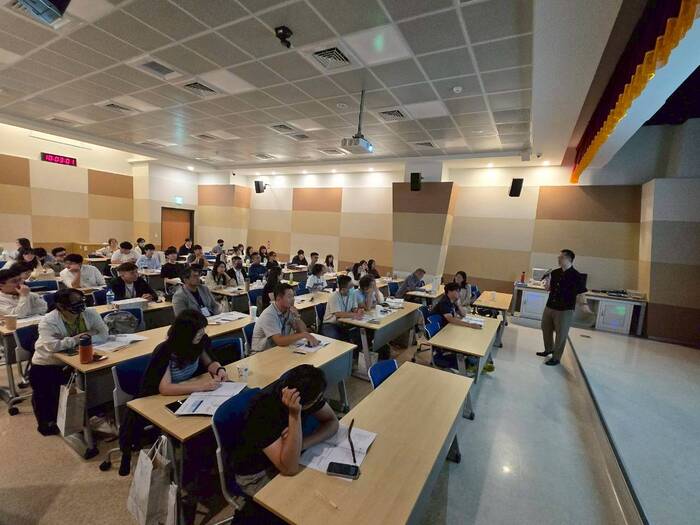
Healthy vision is fundamental to quality of life. To promote the latest advances in myopia management and strengthen clinical competencies, the Department of Optometry at Chung Shan Medical University (CSMU), in collaboration with its Alumni Association, hosted the International Myopia Management Workshop on July 3. The workshop featured two distinguished Australian experts: Dr. Alexandra Jaworski, Clinical Skills Lead in Optometry at Deakin University, and Dr. Kwang Cham, Associate Professor in the Department of Optometry and Vision Sciences at the University of Melbourne.
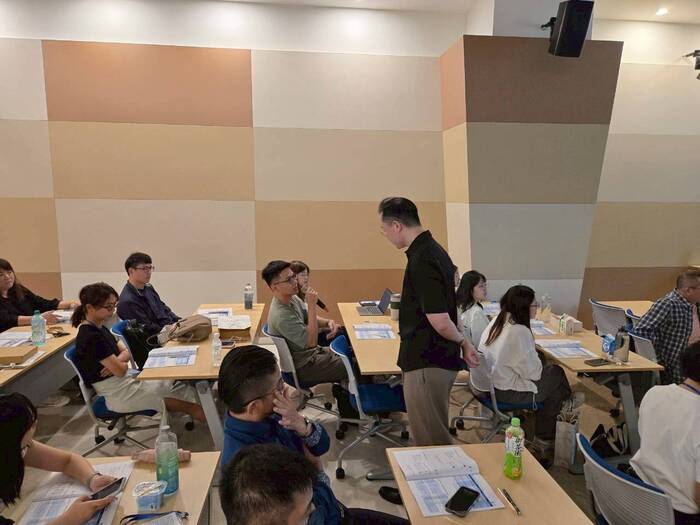
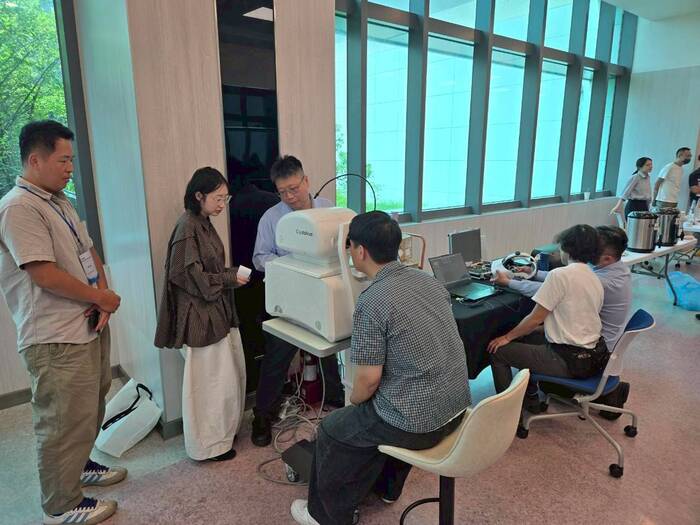
Designed with a strong emphasis on clinical application, the workshop integrated the latest domestic and international research on myopia management into an interactive, station-based learning format. Through carefully structured hands-on activities, participants translated complex research findings, management indicators, and professional techniques into practical skills that can be directly applied in clinical settings.
Sun Han-Ying, Chair of the Department of Optometry at CSMU, explained that the workshop featured a diverse curriculum combining lectures with practical training. Topics included axial length assessment, optical coherence tomography (OCT) retinal imaging, binocular vision examination, and comparisons of different refraction methods used in myopia management. The program also incorporated patient education strategies and clinical case discussions to enhance participants' clinical judgment, decision-making, and adaptability in a variety of patient care scenarios.
Co-organizer Kuo Hui-Ying, Associate Professor in the Department of Optometry, noted that the invited Australian speakers brought extensive experience in clinical optometry education and research. Their presentations covered multiple perspectives, including data interpretation, hands-on clinical techniques, narrative thinking, and user experience. Unlike conventional lecture-based seminars, the workshop adopted a station-based learning model, allowing participants to rotate through thematic sessions while engaging in real-time practice, discussion, and instructor feedback. This interactive approach strengthened participants' understanding of both theoretical concepts and their practical clinical applications.
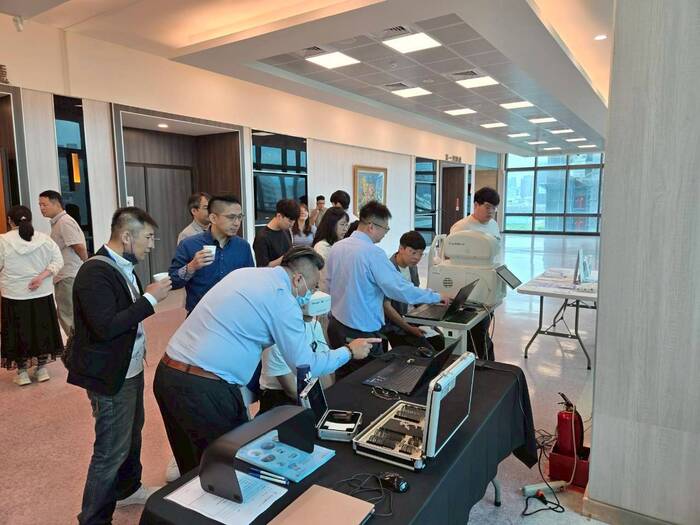
The workshop also featured exhibitions by leading lens manufacturers and ophthalmic equipment companies, showcasing the latest technologies and products in myopia management. Participants had the opportunity to observe emerging technologies, gain hands-on experience with advanced instruments, and exchange insights with industry professionals, effectively bridging classroom learning with current clinical practice.
Sun emphasized that the Department of Optometry continues to integrate the strengths of its alumni network, clinical experts, and industry partners to create an interdisciplinary learning platform that promotes professional exchange, practical training, and international perspectives. Beyond knowledge sharing, the workshop aimed to enhance the professional image of optometrists, raise public awareness of the importance of myopia management, encourage more professionals to enter the field, and strengthen collaboration among alumni and faculty members to better prepare the next generation of optometry professionals for future clinical challenges.