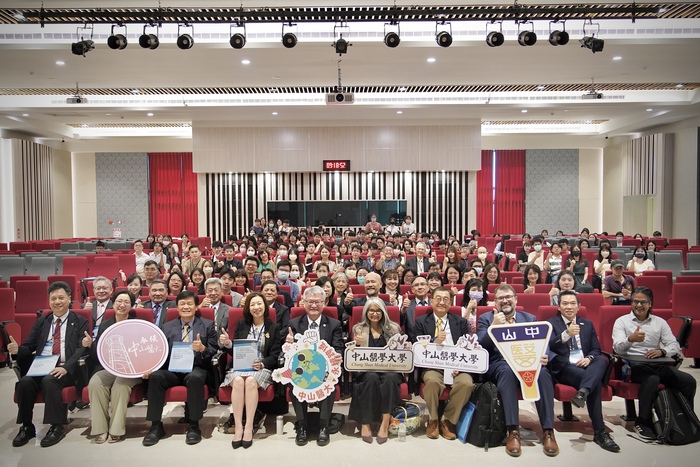
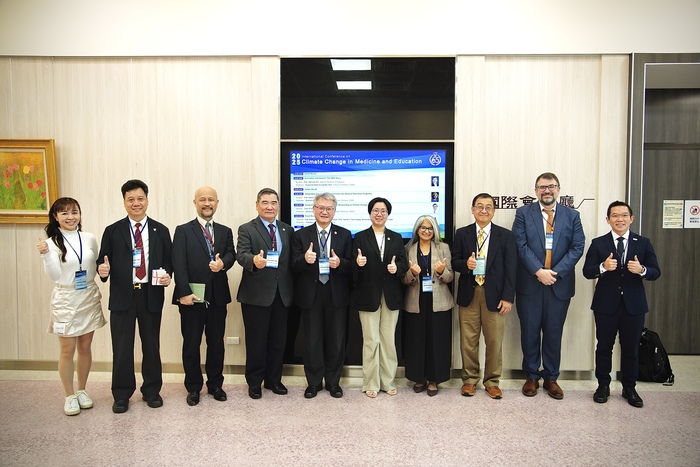
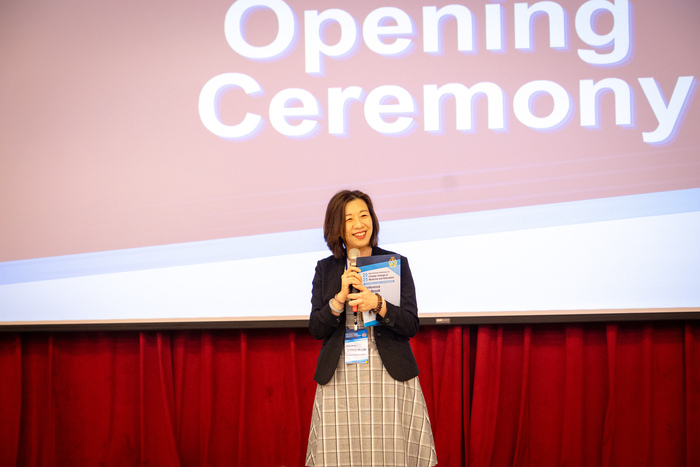
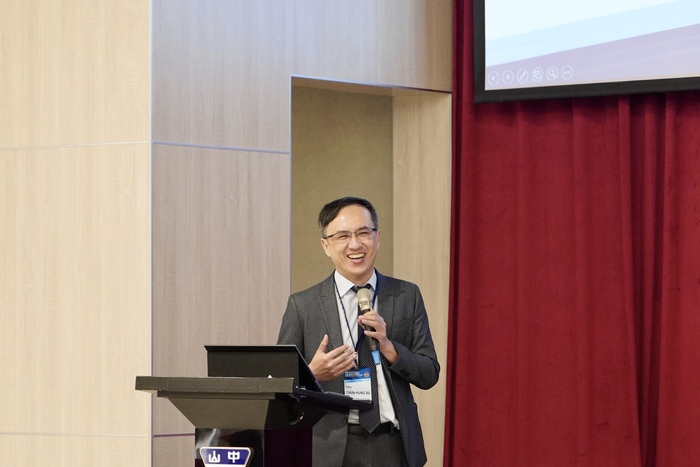
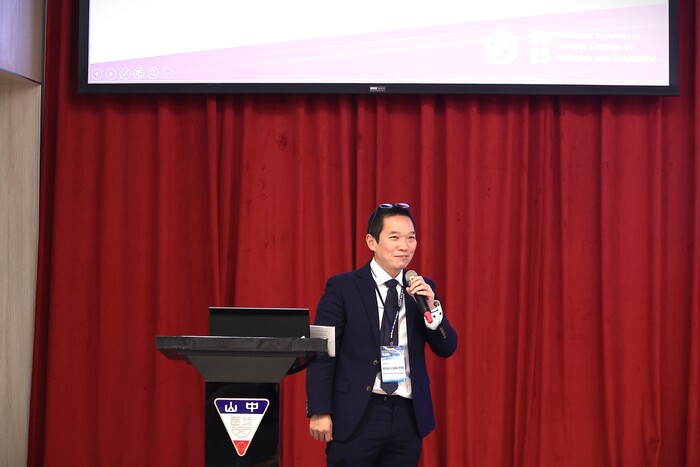
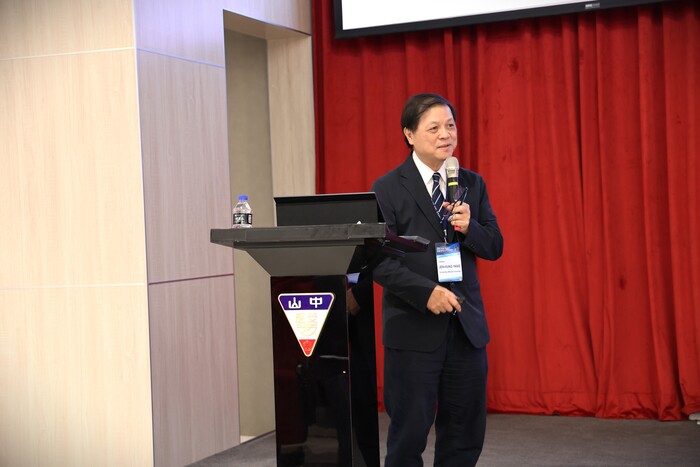
As global extreme weather increasingly threatens human health, Chung Shan Medical University (CSMU) in Taichung hosted the 2025 International Conference on Climate Change, Medicine, and Education (ICCCME 2025) on September 6 at its International Conference Hall. The event brought together experts from Duke University (USA), the National University of Singapore (NUS), and Taiwan’s government, industry, and academia to explore the impacts of climate change on medical education, clinical practice, and public policy—underscoring the importance of cross-disciplinary collaboration to confront global health challenges.
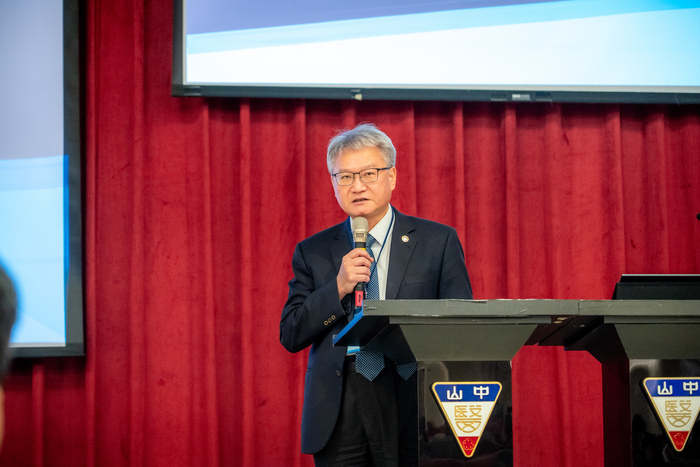
Climate change has shifted from being primarily an environmental concern to a pressing health threat. Taiwan faces persistent challenges from high temperatures, air pollution, and infectious diseases, placing heavy demands on the healthcare system. CSMU President Chien-Ning Huang emphasized that the conference welcomed experts, faculty, students, and clinicians from medicine, public health, and environmental sciences. He expressed hopes to integrate climate issues into the medical curriculum to cultivate future professionals with foresight and social responsibility. “Medical education should not stop at diagnosis and treatment,” he said, “but must also address the health impacts of climate change and develop the capacity for cross-disciplinary cooperation.”
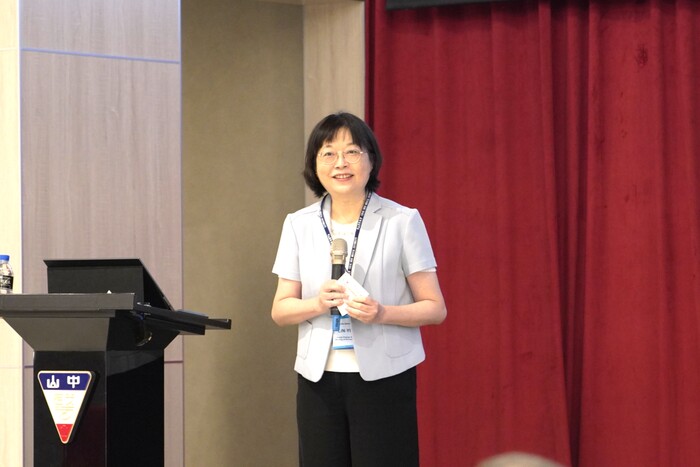
Deputy Minister of Health and Welfare Ching-Yi Lin noted in her opening remarks that Taiwan’s Ministry of Health and Welfare, Ministry of Labor, and Ministry of Environment have jointly launched the Climate Change Adaptation Action Plan in Health. The initiative includes strengthening emergency medical and epidemic preparedness, building monitoring and early warning systems, and expanding hot- and cold-weather care services for vulnerable populations. She stressed that continued inter-ministerial collaboration is essential, from health risk management to social support systems, to enhance the resilience of Taiwan’s healthcare and public health infrastructures.
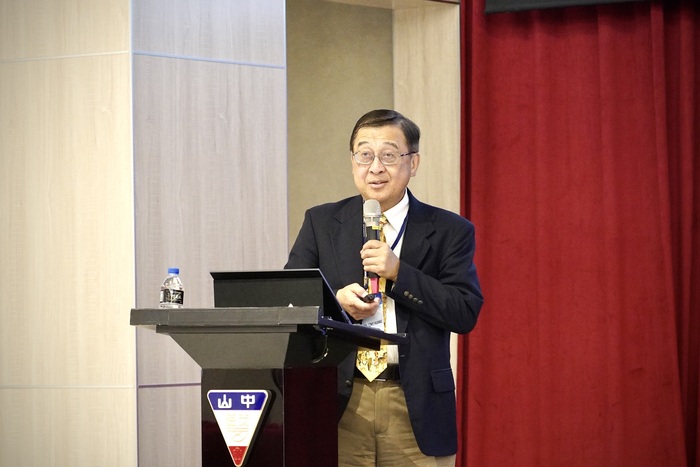
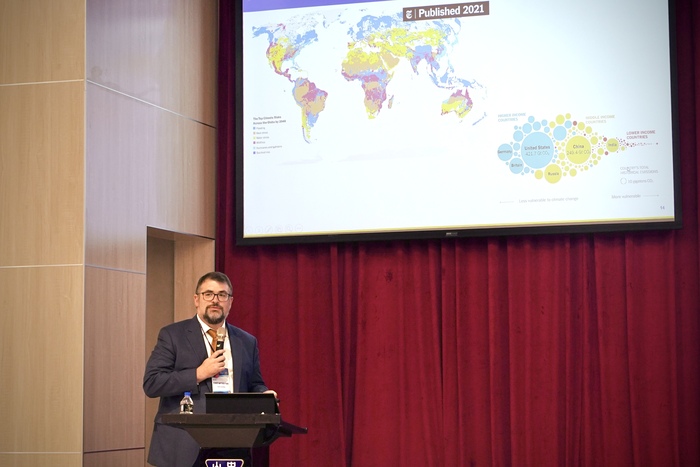
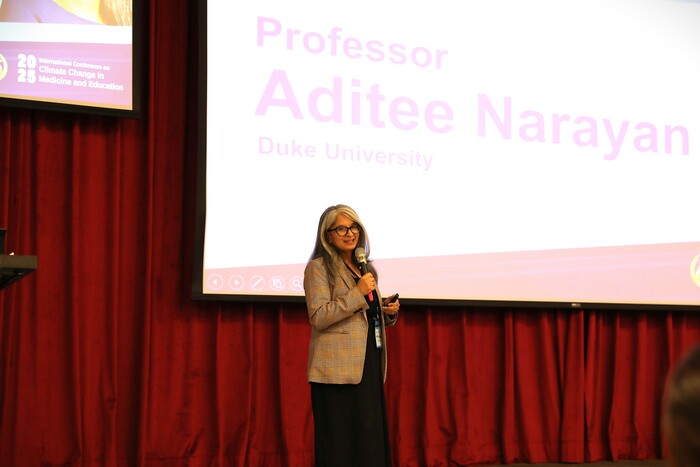
The forum also featured insights from leading international scholars. Duke University School of Medicine Professor Yu-Chin Huang highlighted that human activity is the primary driver of climate change and that community resilience depends on education, public health infrastructure, and scientific data. Associate Dean Aditee Narayan shared examples of integrating climate topics into medical education, demonstrating how curriculum reform helps students understand the link between climate and health. Associate Professor Robert Matthew Tighe introduced Duke’s Climate and Health Research Strategic Plan, showcasing models for cross-national research collaboration. From Singapore, NUS Vice President Lien-Bin Hsu presented the university’s Sustainable Futures initiative, which promotes interdisciplinary solutions through energy innovations, nature-based interventions, and urban integration strategies, using the Sustainability College as a platform to prepare future leaders.
Domestic experts also contributed valuable perspectives. CSMU Hospital Cardiology Director Chun-Hung Su warned that extreme weather and air pollution pose severe threats to cardiovascular and pulmonary health, requiring both epidemiological and policy responses. Director-General Ling-Yi Tsai of the Ministry of Environment’s Climate Change Administration outlined Taiwan’s efforts in disaster reduction, renewable energy, and decarbonization, calling for stronger interagency collaboration. CSMU Chair Professor Jen-Hung Yang stressed the need to incorporate climate-sensitive diseases into medical education and to foster collaboration across medicine, public health, and environmental sciences in order to build a resilient healthcare workforce.
President Huang reiterated that by engaging with experts from Duke University and NUS, CSMU hopes to bring global experience into local curriculum development, positioning this conference as a catalyst for educational innovation. CSMU Dean of Medicine Chao-Pin Yeh concluded that “climate change and health” is not just an academic issue, but the foundation of public well-being. He emphasized the importance of cross-national cooperation, ensuring that clinical observations and research data inform policymaking and help build a resilient healthcare system for all.